Aircraft Parking - The parked aircraft should be flight ready. For this reason, when parking their planes operators can, for example, remove such items as batteries because these can be quickly reinstalled, but in general, they are restricted from removing aircraft parts.
Thus, in the current situation it appears that most of the planes are parked. Although not all. Many are also stored, as airlines are optimizing their fleet capabilities before getting back to service by temporarily decommissioning some of the aircraft and putting them into storage.
Aircraft Parking
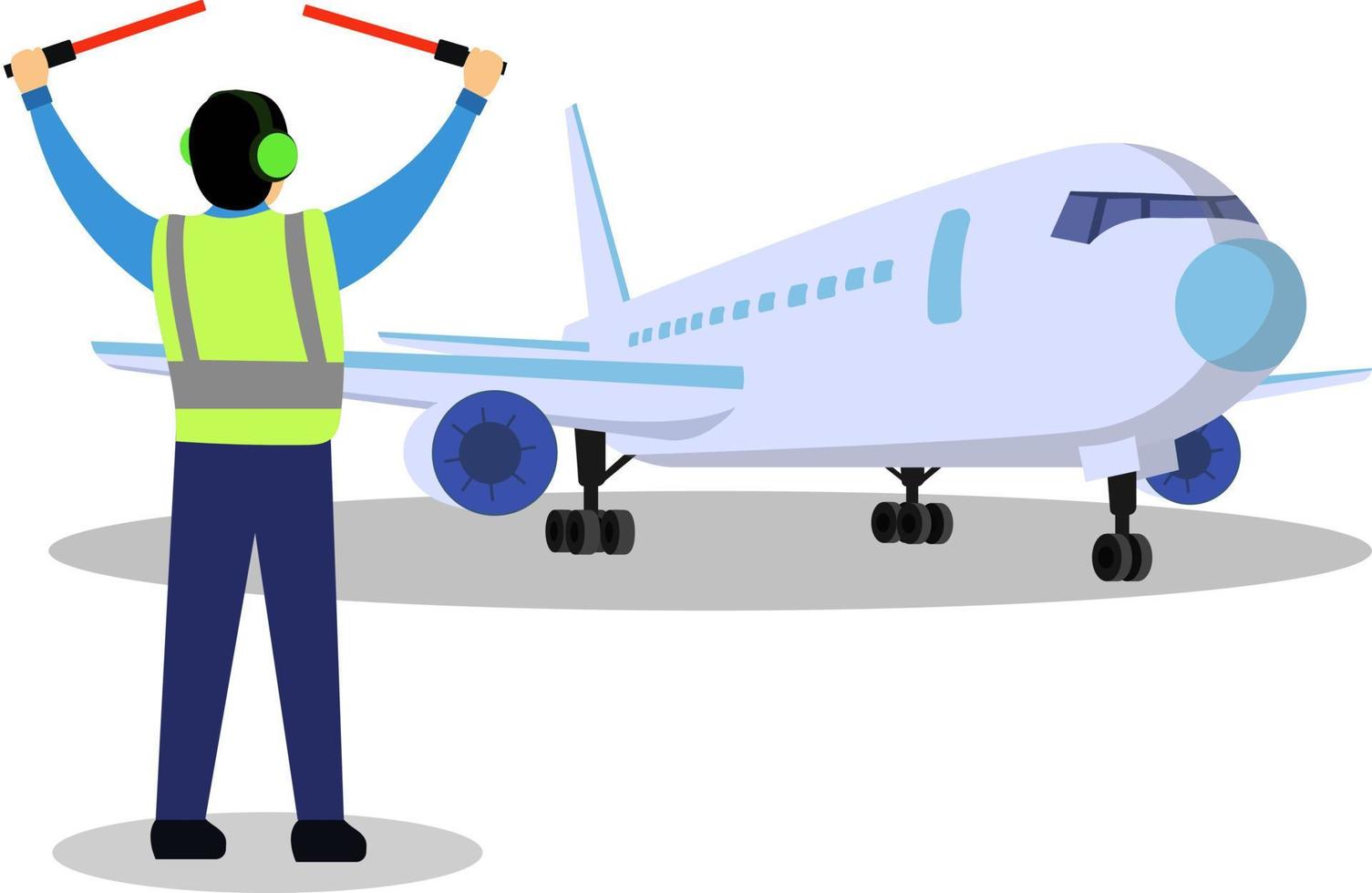
A parking area can be different from a ramp, but it is not always. For example at an FBO, the parking area and the ramp are usually the same. The parking area for airliners is probably not on the ramp though.
Aircraft Storing – Up To Two Years
The situation with planes in storage is a bit different. Airbus provides that a stored aircraft is not likely to face a rapid or unexpected return to service and could remain on the ground for up to two years.
An adequate semitrailer parking spot is 12 feet wide X 53 feet long. Where plane parking? Aircraft park on the flight line. What portion of the airfield are aircraft parked? In the parking hardstands. When exiting a parking spot who has the right of way?
i. Movement Area. Refers to the runways, taxiways, and other areas of an airport which are used for taxiing or hover taxiing, air taxiing, takeoff, and landing of aircraft, exclusive of loading ramps and aircraft parking areas.
The word "hangar" comes from Middle French "hanghart" or "enclosure near a house." This word has Germanic origin from Frankish "haimgard" ("home-enclosure," or "fence around a group of houses") deriving from "haim" ("home, village, hamlet") and "gard" ("yard")
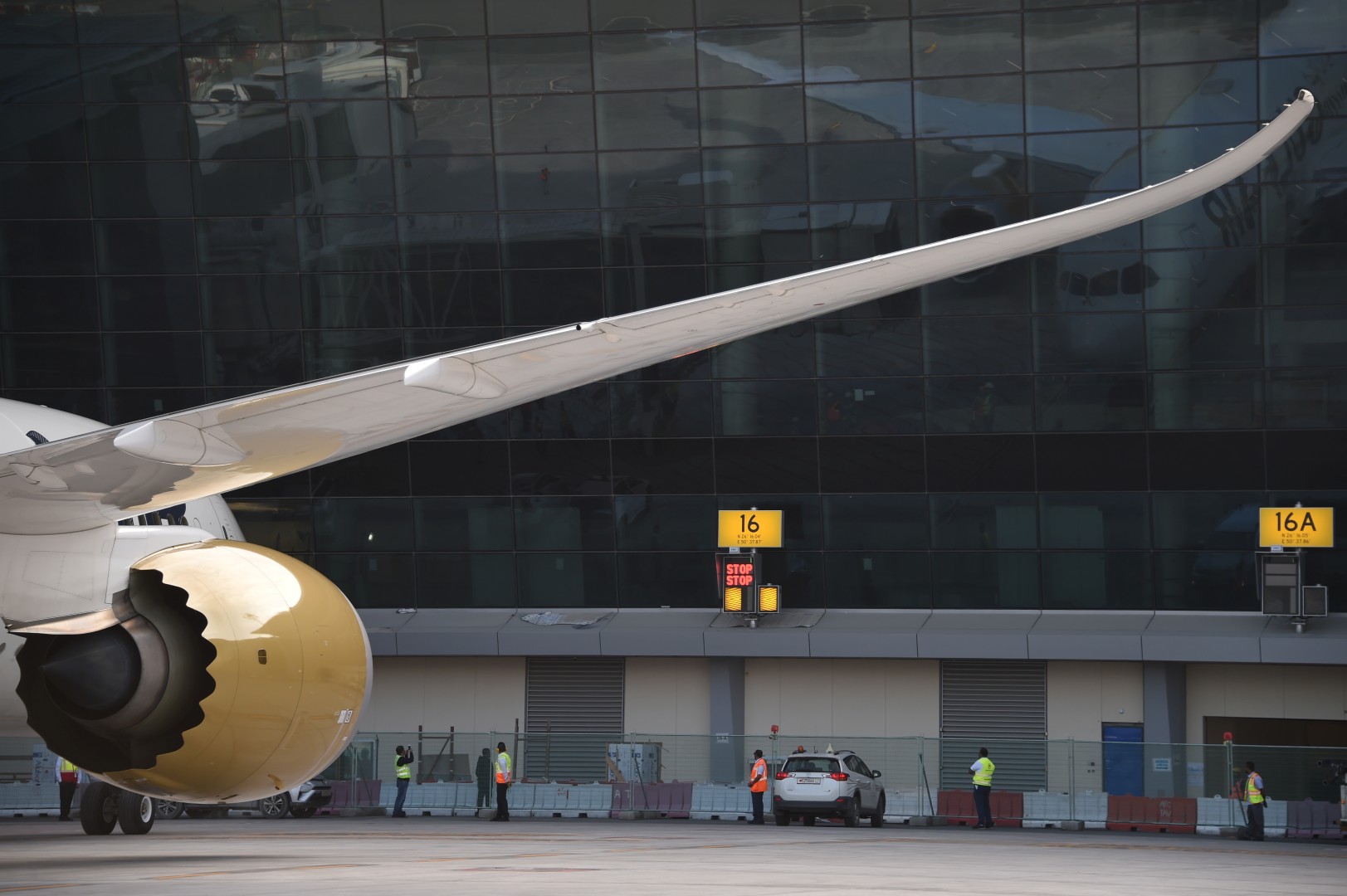
How Big Is A Parking Spot For An Aircraft?
. The planemaker explains that usually a parked aircraft is taken out of service for up to six months. Airlines are usually parking their planes to "carry out the regular light maintenance needed to preserve a 'ready to go' state which allows a rapid return to service".
Airbus noted that each week more than 100 planes are parked for over 14 days. Nevertheless, it is worth knowing that sometimes parking can take longer when a plane is coming out of a flight-ready condition.
Parking Boots An aircraft parking boot, also known as a wheel clamp or lock, is designed to prevent an airplane from moving when parked for an extended period of time. Parking boots are made to fit virtually all business and regional aircraft.
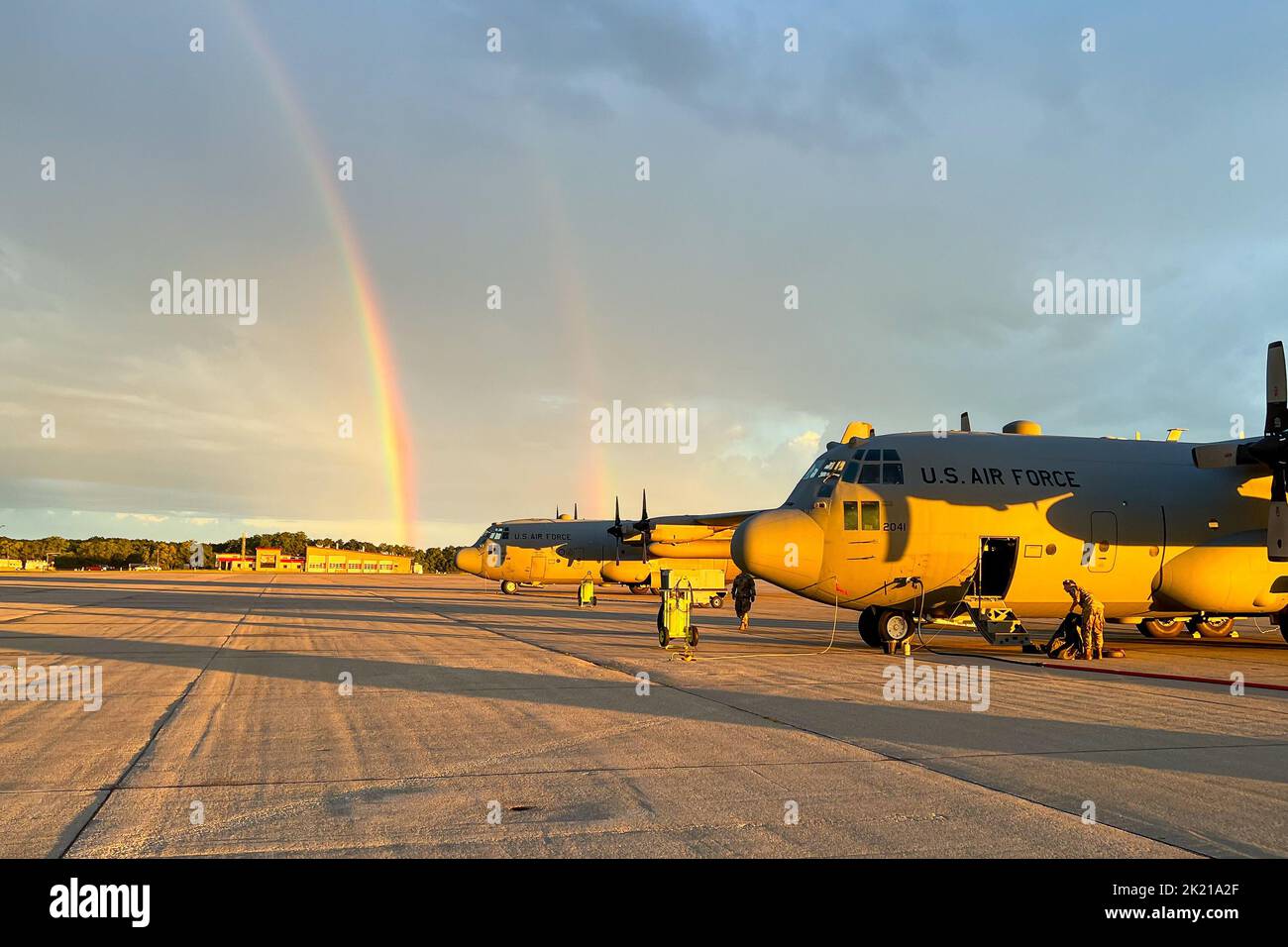
Intended for parking aircraft to enplane/deplane passengers, load or unload cargo. (2) Aircraft Service Areas. in or adjacent to an aircraft parking position. Intended for use by personnel/equipment for servicing aircraft and staging of equipment to facilitate loading and unloading of aircraft.
Aircraft Parking – Up To Six Months
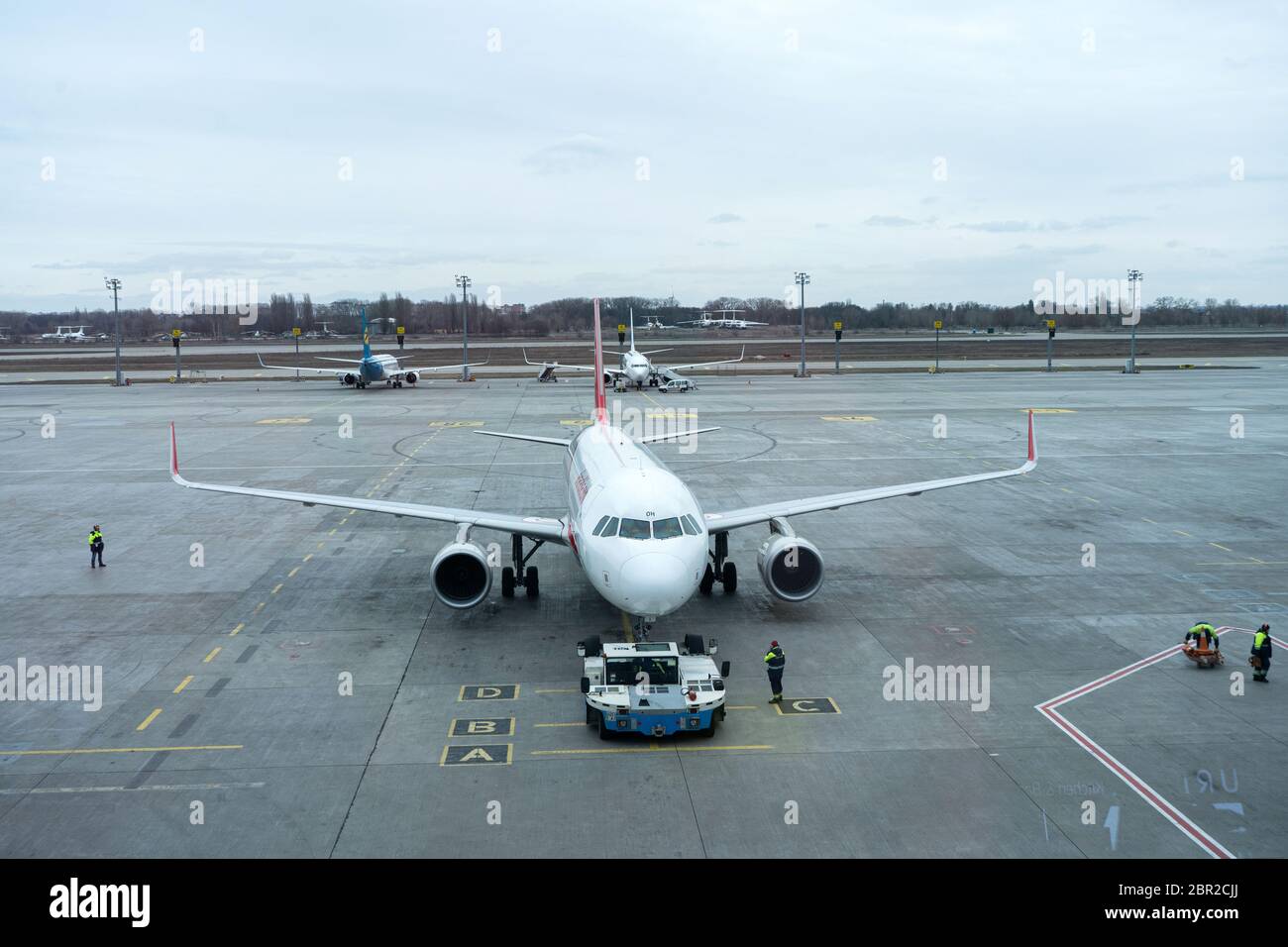
(3) Taxilanes. APRON− A defined area on an airport or heliport intended to accommodate aircraft for purposes of loading or unloading passengers or cargo, refueling, parking, or maintenance. With regard to seaplanes, a ramp is used for access to the apron from the water.
Hangars are most often used for doing repairs and maintenance on aircraft. The area where airplanes park outside along the terminal is called a "ramp" in the USA and Canada, or an "apron" in other countries.

Visual Docking Guidance System A stand guidance system is a system which gives information to a pilot attempting to park an aircraft at an airport stand, usually via visual methods, leading to the term Visual Docking Guidance System (VDGS) and also A-VDGS (the A standing for advanced
) This allows them to remain clear of obstructions and ensures that … aircraft stand means an area at a Federal Airport designated by the Corporation for the parking of aircraft including, but not limited to the parking of aircraft for the purposes of loading and unloading of freight, mail and cargo, and for the embarkation or disembarkation of passengers
What Is Used For Parking Of Aircraft?
. HIGH SPEED TAXIWAY− A long radius taxiway designed and provided with lighting or marking to define the path of aircraft, traveling at high speed (up to 60 knots), from the runway center to a point on the
center of a taxiway. Also referred to as long radius exit or turn-off taxiway. The high speed taxiway is designed to expedite aircraft turning off the runway after landing, thus reducing runway occupancy time. An airplane "lands" (that is, "comes down to earth") on the runway of an airport or airbase.
The airplane taxis off the runway and onto taxiways (strips of pavement) that lead to parking ramps (paved platform areas for unloading/loading, maintenance, or simply parking.) Some antique terms: Hangars are buildings in which airplanes are repaired or serviced.
Most airlines have their own hangars, in which they can park many jets at the same time. Most hangars are far away from terminals and runways so that they do not interfere with airport traffic.
What’s The Name Of The Area Where Airplanes Park?
aircraft parking area, aircraft parking plan, aircraft parking standards, ww11 aircraft parking sizes, aircraft parking stand, aircraft parking apron, aircraft parking procedures, aircraft parking bay